Source Recycled Transparent Opp Bag for Shopping, Packaging, and Gifts
Find 30 listings for recycled transparent opp bag options suitable for shopping, packaging, and gift applications. Compare specifications including moisture proof features, customizable printing, and various raw materials like PP and BOPP to identify the right supplier for your needs.
Key considerations
Products List


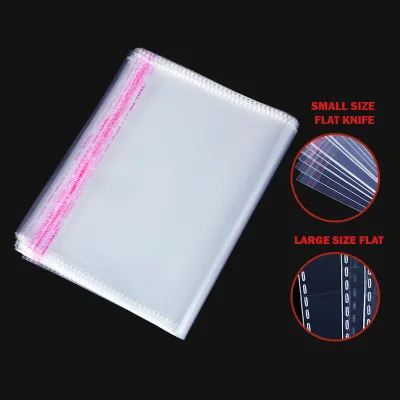
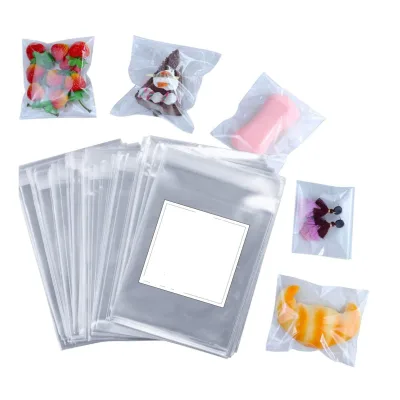


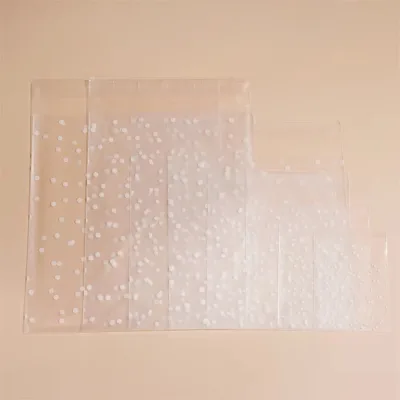
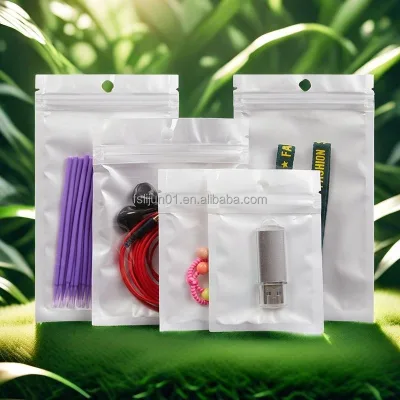
Comprehensive Sourcing Guide
Recycled Transparent OPP Bag Sourcing Guide
Buyers evaluating recycled transparent OPP bags must first distinguish between products labeled as recyclable and those claiming biodegradability, as the supplied data indicates a mix of features including moisture proofing, shock resistance, and bio-degradability across different listings. While some entries explicitly list Polypropylene (PP) and BOPP as raw materials, others reference PLA or mixed polymers, requiring immediate verification of the specific resin composition to ensure the material aligns with your sustainability goals and recycling stream capabilities.
The observed product range includes diverse applications such as shopping bags, gift packaging, and organ storage, which dictates that the hardness and thickness specifications must be matched to the intended load-bearing requirements. Since the data shows both soft and rigid variants alongside self-adhesive glue closures, procurement teams should prioritize samples that demonstrate the correct balance of flexibility and structural integrity for their specific use case, rather than assuming all listed transparent bags offer identical performance characteristics.
Product Scope and Observed Listing Signals
The market signals indicate a wide variance in product models, ranging from MYC-05 to WX22141, with dimensions frequently cited as 40*70cm but also available in fully customized standard formats. This variability suggests that buyers cannot rely on a single SKU for all needs; instead, they must verify if the supplier can consistently produce the specific shape, whether it is a seal bag, back seal bag, or organ bag, while maintaining the transparent quality required for product visibility.
Listing attributes reveal that customization is a standard offering, with options for customized printing and tailored packing configurations like 100 pieces per OPP bag or bulk carton shipments. However, the presence of different origin locations, including Zhejiang, Shandong, and general China designations, implies that logistics and lead times may fluctuate significantly depending on the specific factory assigned to the order, necessitating a clear definition of the required production location before finalizing any purchase agreement.
Technical Specifications to Verify
Thickness and material composition are critical technical parameters that vary significantly across the observed listings, with some products specifying BOPP, CPP, PE, or PLA while others simply state plastic or polypropylene. Buyers must explicitly request a material data sheet to confirm the exact polymer blend, as the presence of recycled content or bio-degradable additives will directly impact the bag's tensile strength, clarity, and compatibility with existing recycling infrastructure.
Surface finish and closure mechanisms also require rigorous verification, as the data notes options for plain or embossed printing alongside self-adhesive glue closures. Since some products are described as having shock resistance while others focus on moisture proofing, the buyer must test the specific closure method and surface texture to ensure they meet the operational demands of the packaging line, particularly regarding seal integrity and resistance to environmental factors during transit.
Compliance and Safety Documentation
While the supplied facts mention certifications such as CE, SGS, and ISO9001, these are not universally present across all listed models and should be treated as specific to certain production batches rather than a blanket guarantee for the entire product line. Procurement teams must request current, valid certificates for the specific model number being ordered to confirm that the manufacturing process adheres to the stated quality management standards and that the materials used do not contain prohibited substances.
Safety documentation should also address the specific claims of bio-degradability and recyclability found in the product features, as these terms have distinct regulatory definitions that vary by region. Buyers should verify if the supplier provides third-party test reports confirming the degradation timeline or recycling classification, ensuring that the product meets the legal and environmental compliance requirements of the destination market without relying on unverified marketing claims.
Cost Drivers and Commercial Terms
The observed minimum order quantities (MOQ) range from 5 to 500,000 units, indicating that unit pricing will be highly sensitive to order volume and the complexity of customization requests. Buyers should anticipate that customized printing, specific thickness requirements, or unique bag varieties like organ bags will incur higher costs compared to standard transparent OPP bags, and these variables must be factored into the total landed cost calculation before negotiating final prices.
Pricing structures are further influenced by the raw material costs of PP, BOPP, or PLA, which fluctuate based on global market conditions and the specific origin of the supplier. Since the data shows diverse packing options from individual OPP bags to bulk cartons, the logistics cost per unit will vary, and buyers must clarify whether the quoted price includes packaging for export or if additional charges apply for specialized carton configurations required to protect the goods during shipping.
Supplier Qualification and Quality Control
Supplier qualification should focus on verifying the consistency of production capabilities across different models, as the data shows a mix of origins and product standards that may indicate a trading company rather than a single manufacturing facility. Buyers must confirm that the supplier has direct control over the making process for plastic packaging bags to ensure that the transition from raw materials to finished goods maintains the required transparency and moisture-proofing features without quality degradation.
Quality control protocols must be established to validate the physical attributes of the bags, such as hardness, shape, and the effectiveness of the self-adhesive glue. Given the variation in features like shock resistance and antistatic properties, it is essential to implement a sampling plan that tests these specific characteristics against the agreed specifications, ensuring that the final shipment matches the performance expectations set during the initial product selection phase.
Long-Term Procurement Checks
Sustaining a reliable supply chain for recycled transparent OPP bags requires regular audits of the supplier's ability to maintain consistent material quality and adherence to sustainability claims over time. Buyers should establish a schedule for re-verifying the raw material composition and certification status, as the initial batch may differ from subsequent production runs if the supplier sources different grades of PP or PLA without prior notification.
Long-term success also depends on monitoring the supplier's responsiveness to changing market demands, such as updates in recycling standards or new printing technologies. Since the product scope includes various bag varieties and customization options, maintaining a flexible partnership allows the buyer to adapt quickly to new packaging requirements while ensuring that the core attributes of transparency, moisture proofing, and recyclability remain consistent throughout the procurement lifecycle.
FAQs
What materials are used for recycled transparent opp bags?
These bags are primarily made from Polypropylene Plastic Bag, OPP, and PP raw materials. Some options also include BOPP, CPP, PE, PET, and PLA to ensure transparency and moisture proof features while maintaining recyclability for various packaging needs.
Can I customize the size and printing on these bags?
Yes, customization is available for both size and printing. The standard size is 40*70cm, but customers can request specific dimensions. Printing can be customized with plain or embossed designs to meet your unique branding and packaging requirements effectively.
Which certifications do these plastic packaging bags hold?
The products hold CE, SGS, and ISO9001 certifications to ensure quality and safety standards. These certifications verify that the manufacturing processes meet international requirements for plastic packaging bags used in various industries including shopping, gift, and promotional applications.
How are these bags packed for shipment from China?
Packing options include 100 pieces per OPP bag with 100 bags per carton, or standard cartons depending on the model. Some suppliers offer packing as your request to accommodate specific logistics needs while ensuring the bags remain moisture proof during transit.
What are the key features of these moisture proof bags?
Key features include moisture proof, recyclable, and disposable properties for versatile use. Some variants also offer bio-degradable, shock resistance, and antistatic capabilities. These features make them suitable for pants, trousers, coats, and general shopping or gift bag applications.
Where are these plastic bags manufactured and sourced from?
These bags are manufactured in China, specifically originating from Zhejiang, Shandong, and other regions. The production process utilizes plastic packaging techniques to create seal bags and back seal bags that meet diverse customer specifications and usage requirements globally.
What is the hardness and shape of these packaging bags?
The bags come in soft or rigid hardness options depending on the specific model and material composition. Their shape is designed as plastic bags or seal bags, providing flexibility for various applications while maintaining structural integrity for moisture proof and recyclable performance.